

In recent years, New Zealand has witnessed a notable shift in how its energy needs are met, with solar panel installations paving the way towards a more sustainable future. As the world struggles with climate change and the pressing need for renewable energy solutions, Kiwis have steadily turned to solar technology to utilize the abundant sunshine that graces the countryside and urban landscapes alike. This rise in solar panels NZ is not just a trend; it’s a revolutionary movement aimed at reducing reliance on fossil fuels and lowering carbon emissions.
The growth of solar panel installations across the country can be credited to several factors, including state incentives, falling costs of technology, and a increasing awareness among New Zealanders about the benefits of clean energy. As households and businesses seek to reduce their energy bills while contributing towards a greener planet, solar panels have become an appealing option. In this article, we will explore the factors driving the rise of solar panels in New Zealand and the positive impact they are having on regional communities and the environment.
Present Photovoltaic Power Outlook
The solar power landscape in New Zealand has seen significant growth over the last few years. With rising recognition of global warming and the necessity for eco-friendly power solutions, more homes and companies are embracing solar panels in New Zealand. The state has introduced multiple incentives and financial support to facilitate photovoltaic installation, making it a increasingly reachable alternative for numerous individuals. As a result, the quantity of setups has increased, showing a movement toward renewable energy sources.
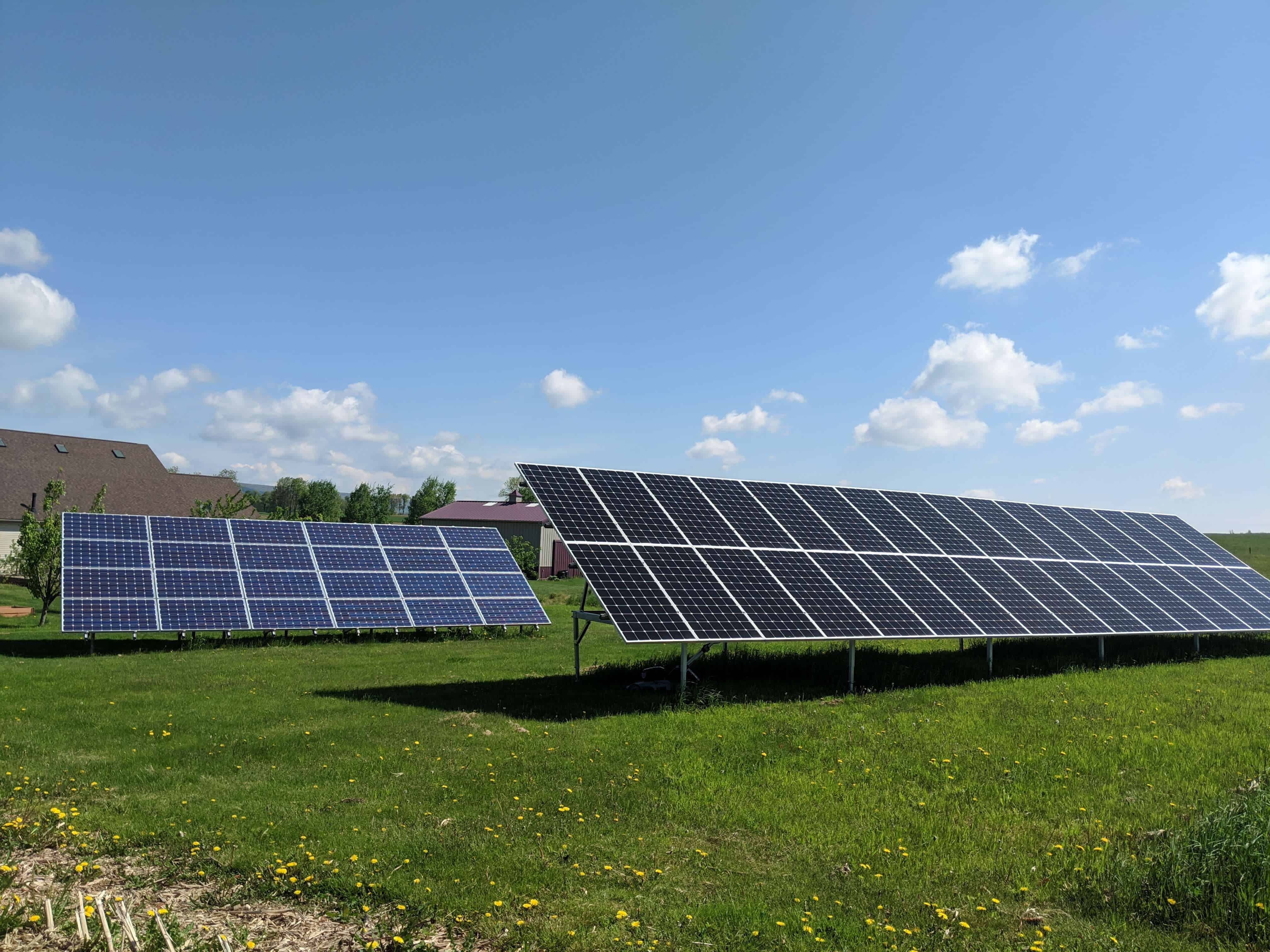
As solar technology continues to develop, the effectiveness and affordability of photovoltaic systems have gotten better significantly. New products and methods have rendered it easier for individuals to utilize photovoltaic power. The use of battery storage systems is also on the rise, allowing individuals to save excess energy generated during the day for utilization during the evening or on overcast days. This progress enhances energy independence and lowers dependence on traditional electricity, further strengthening the attractiveness of solar panels in New Zealand.
Local initiatives and companies play a key role in supporting a robust solar energy community. Many communities are uniting to invest in shared solar projects, enabling it simpler for residents who cannot install photovoltaic systems on their own lands to participate in green energy production. Additionally, local installers are gaining expertise and providing affordable rates, making photovoltaic power a realistic choice for a larger segment of the public. As New Zealand continues to move into a sustainable energy future, photovoltaic systems NZ will continue at the leading edge of this transformation.
Benefits of Solar Panel Installations
One of the advantages of solar panel installations is the notable diminution in electricity bills. By capturing the energy of the sun, residents and businesses can generate their own electricity, thereby decreases dependence on grid energy. This not only results in cost savings but also provides financial predictability in a time of fluctuating energy prices. With the appropriate setup in place, many New Zealanders can see their energy bills fall significantly or even turn to zero.
Another, advantage is the favorable impact on the environment. Solar panels produce clean, renewable energy, thereby greatly reduces greenhouse gas emissions. In a country like New Zealand, known for its commitment to sustainability, boosting the adoption of solar technology can help address climate change and protect natural ecosystems. Utilizing Solar Panels NZ contributes to a greener future and promotes responsible energy consumption.
Furthermore, the installation of solar panels can raise property values. Homes equipped with solar energy systems are typically more attractive to potential buyers as they mean lower future energy costs and a sustainable lifestyle. As solar technology continues to advance and become more accessible, properties with solar installations may see quicker sales and increased market values, making it a wise investment for homeowners across New Zealand.
Challenges Facing Solar Adoption
One major challenge impeding the widespread adoption of solar panels in NZ is the upfront installation cost. Even though costs have reduced over the years, the upfront investment required for solar systems can still be a hurdle for many homes and enterprises. The need for a significant financial outlay can discourage potential users from exploring solar energy as a feasible option. Additionally, not all homeowners have the capital or equity to invest in solar technology, which can continue disparities in energy equity.
An additional concern is the inconsistency of solar energy production, particularly given New Zealand’s varied climate. Solar panels generate less power on cloudy or wet days, which are not rare in different parts of the country. This intermittency can make solar energy less dependable compared to traditional energy sources, leading some to question its sustainability for steady energy supply. To overcome this challenge, effective energy storage solutions and grid management strategies need to be created to ensure reliability throughout the year.
In conclusion, the lack of thorough government policies and incentives can impede the growth of solar panel installations. Even though there are initiatives aimed at promoting renewable energy, such as subsidies and funding for solar projects, many believe that stronger incentives is required. Clear and consistent policies would not only motivate homeowners to transition to solar but also attract investment in innovative technologies and infrastructure, ultimately creating a more sustainable energy landscape in NZ.
National Aid and Support
The New Zealand administration has recognized the significance of sustainable energy, particularly solar power, in reaching its environmental goals. To promote the implementation of solar panels, various programs have been established, aimed at lowering the upfront costs for households. These programs can take the nature of funding, assistance, or fiscal deductions, making solar energy a more accessible option for families and companies alike. By reducing the economic strain, the administration aims to enhance the shift to renewable energy sources.
In also to explicit financial support, the administration has also implemented programs to raise public knowledge and information about solar energy. Initiatives that provide information about the benefits of solar photovoltaic systems, how to deploy them, and the expected reductions on energy costs are crucial in encouraging a culture of environmental responsibility. These materials help New Zealanders make educated decisions about adopting solar technology, eventually contributing to a greater embrace and adoption of solar energy in daily life.
Additionally, there are legal systems in place that simplify the process of installing solar panels utilized. The administration has simplified the approval process and established guidelines to ensure that setups meet safety and performance standards. This support not only establishes consumer trust but also encourages more businesses to join the solar market, thus increasing competition and driving creativity within the field. Through these joint efforts, the administration plays a crucial role in the growth of solar panel installations across New Zealand.
Future Developments in Photovoltaic Technology
The outlook of solar technology in Aotearoa is optimistic, with constant advancements paving the way for increasingly effective and affordable solar panels. Innovations in solar cell technology are expected to enhance energy conversion rates, allowing panels to produce greater power from the identical amount of solar energy. New trends in bifacial solar panels, which capture sunlight on dual surfaces, are becoming increasingly popular, maximizing energy yield and making installation increasingly cost-effective.
Furthermore, the integration of smart technology into solar systems is changing how users interact with their solar generation. Smart controllers and energy management systems allow homeowners to enhance their solar usage in real-time, ensuring that they capture every unit of energy generated. This approach is not just limited to individual households; businesses are also adopting these smart solutions to enhance energy efficiency and optimize resource usage more effectively.
As the New Zealand government continues to back the transition to renewable energy, the role of photovoltaics will expand even more. With ambitious targets for carbon neutrality, investments in solar energy infrastructure will likely rise. This commitment will also drive development into energy storage solutions, such as advanced batteries, which are crucial for ensuring a reliable energy supply from photovoltaic systems, particularly during times of insufficient solar exposure.